2026-08-30 · Thomas Reed
What to Check After a Pipe Freeze in North Dallas Homes
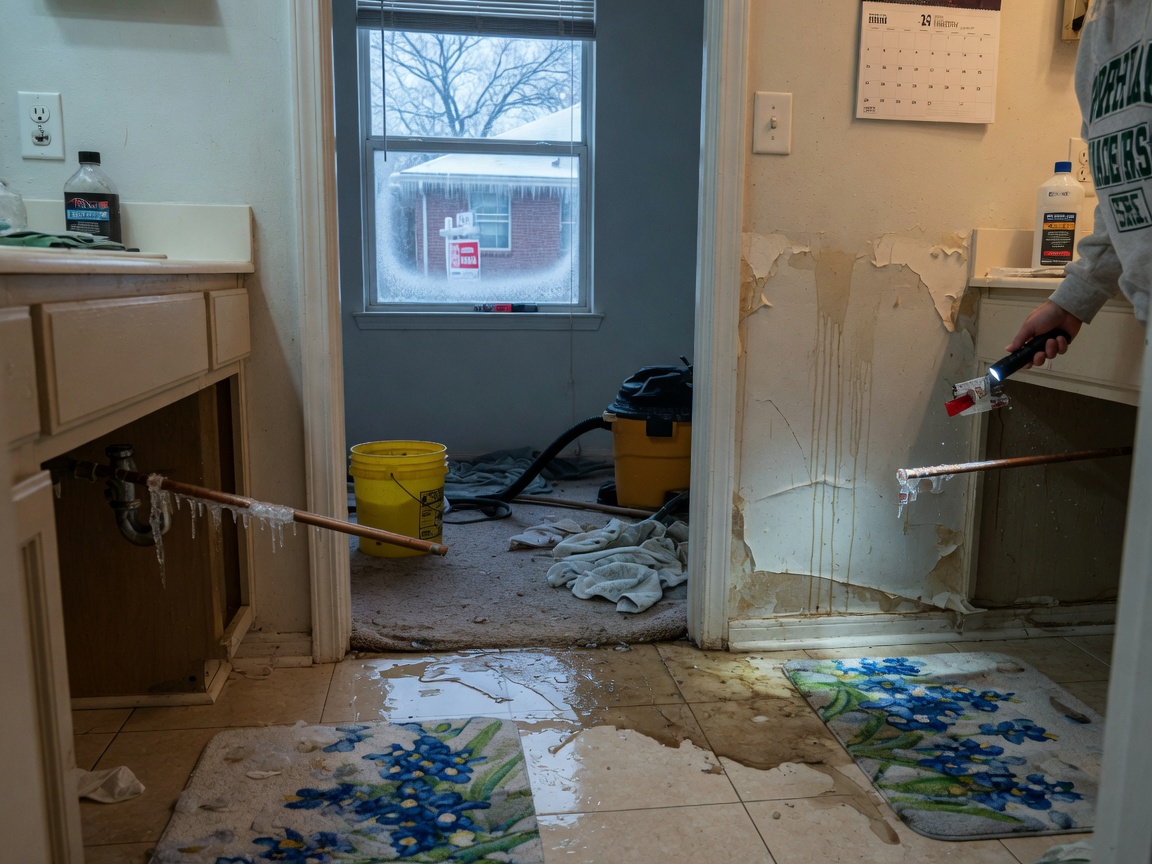
In North Dallas homes built from the 1960s onward, a pipe freeze often shows first at outdoor spigots or in uninsulated crawl spaces once temperatures dip below 32°F during an otherwise mild winter. Shut off the main water valve at the meter immediately, then open faucets to relieve pressure and note which lines still drip or remain dry. This quick sequence reveals burst sections before they soak drywall or subfloors common in the area's ranch-style and two-story stock.
Inspect Visible Pipes and Fixtures
Begin at the water heater and laundry room, where copper or PEX lines run exposed along walls in many Lake Highlands and North Dallas garages. Look for hairline cracks, bulges, or ice residue around joints; these spots fail first when overnight lows hit the teens. Run each fixture for two minutes while watching for sputtering or reduced flow that signals a partial blockage from ice expansion. In homes near White Rock Lake, check exterior hose bibs that lack insulated covers, as they sit directly against brick veneer that holds cold longer than newer vinyl siding.
Check for Hidden Leaks in Walls and Ceilings
Water from a burst line travels along joists and can pool behind drywall in North Dallas split-levels. Press gently on ceilings below bathrooms and note any softness or discoloration that appears within 48 hours. Use a moisture meter on baseboards in hallways; readings above 15% indicate migration toward load-bearing walls typical in 1970s construction. If drywall feels cool to the touch compared with adjacent rooms, remove a small outlet cover to inspect the cavity rather than relying on surface signs alone.
Assess Flooring and Subfloors
Hardwood and laminate in North Dallas dining rooms often sit over plywood that swells when water reaches the underlayment. Walk the length of each room and listen for creaks that were absent before the freeze; these indicate cupping or delamination already underway. Lift a corner of area rugs in East Dallas bungalows to inspect for darkened grout lines or warped transitions at doorways. Subfloor damage frequently extends 3–4 feet beyond the visible wet zone because slab foundations here slope slightly toward the street for drainage.
Evaluate HVAC and Water Heater Impacts
Condensate lines and supply pipes feeding air handlers in attics can freeze and leak onto ductwork, creating hidden corrosion in the humid subtropical air. Check the drain pan under the water heater for standing water that signals a supply line failure; 40- and 50-gallon units in North Dallas closets are especially vulnerable when the closet door stays closed overnight. Run the furnace for 10 minutes and monitor for musty odors that point to moisture inside the return plenum, a common issue in homes built before 1990 with single-pane windows.
If any moisture readings remain elevated after 72 hours of drying with fans, water damage repair becomes necessary to prevent mold in the humid climate. Homeowners in Dallas facing repeated winter issues may also review typical expenses for restoring water-damaged hardwood floors in Dallas before deciding on full replacement.